
Stucco Repair and Siding Replacement in Lionville, PA
From HOA-governed developments off Route 113 to the older farmhouses tucked between them, we repair stucco and replace siding to match what your community association and your house both require.
Schedule an Assessment Call 484-353-3046Covering Lionville and the Route 100/113 Corridor
We work throughout Lionville, Eagleview, Whitford, Marchwood and the rest of Uwchlan Township, along with neighboring East and West Whiteland Township. We also maintain dedicated stucco and siding pages for Downingtown, West Chester, Phoenixville and Collegeville. Searching for stucco contractors or siding repair near me around 19341? We cover it.
Two Very Different Housing Stocks, Ten Minutes Apart
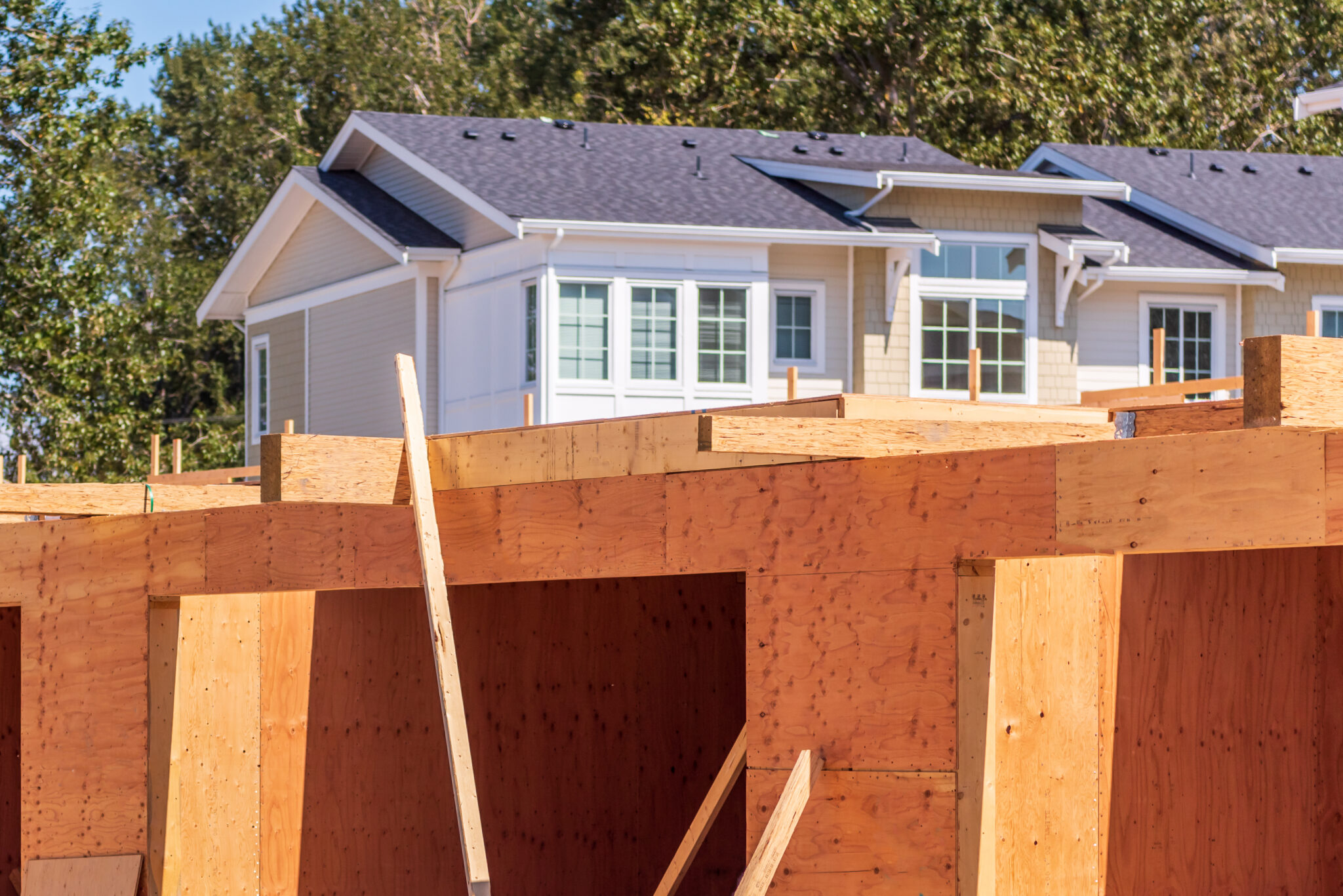
Lionville does not have a single defining building era, and that is precisely what makes exterior work here different from a lot of the towns we serve. Drive through Uwchlan Township and within a few minutes you pass from a planned community built in the 1990s or 2000s, with its architectural guidelines and a specific palette of approved colors, to a stretch of road where an eighteenth or nineteenth century stone farmhouse sits on what used to be open farmland before the development boom reached this part of Chester County.
Those two housing types age in almost opposite ways. The farmhouses, many with original stone or old masonry additions, have decades of settling, prior patchwork and mismatched repairs to sort through before any new stucco or siding goes on. The newer developments, built during the years synthetic stucco systems were heavily marketed to production builders, carry a different set of problems: EIFS installed to a builder-grade spec, sometimes without the drainage layer that later code revisions required, now reaching or past the point where cracking and water intrusion show up as a pattern rather than an isolated spot.
We assess both the same way: find out what is actually behind the surface before recommending a fix. On a farmhouse that might mean confirming whether a repair from twenty years ago was done correctly. On a development-era EIFS home it usually means checking for a drainage plane, testing moisture at penetrations and corners, and being honest about whether patching is the right call or whether the section needs to come off and be rebuilt as a drainable system or replaced with fiber cement or vinyl siding.
Inspire Contracting LLC has spent more than twenty years working across southeastern Pennsylvania on both ends of that spectrum, and we bring the same OSHA-certified crews and the same documentation to a stone farmhouse restoration as we do to a development re-side.
Working Inside an HOA's Architectural Review Process
A meaningful share of the Lionville projects we take on run through a homeowners association before they run through us. If your community has an architectural review committee, you already know the drill: an application, a color or material sample, sometimes a plot plan showing where the work happens, and a waiting period before you get a yes. Skip that step and you can end up doing the work twice, once to satisfy the board's revision request and once to actually finish the project.
We build that step into the schedule rather than treating it as an afterthought. When you tell us up front that a submission is required, we provide the documentation associations typically ask for: manufacturer spec sheets, color and material samples that match your existing palette or an approved alternate, and a written scope description you can attach to the application. If your HOA has a specific approved vendor list for siding colors or stucco finishes, we will work within it rather than pushing a substitute that creates friction with the board.
Timing matters here more than in an unrestricted township. Committees meet on their own schedule, sometimes monthly, and a submission that misses a meeting by a day can cost you weeks. If you are dealing with active water intrusion, we will say so plainly in the paperwork, because associations generally move faster on anything framed as a health and safety issue than on a routine cosmetic upgrade, and there is a real difference between the two.
We also see the opposite situation: owners in older, non-HOA sections of Lionville and the surrounding farmland who have complete freedom over material and color and simply want an honest recommendation. Both conversations are common here, and we do not assume which one you are having until you tell us.
Reading the EIFS Cohort Correctly Before You Patch It
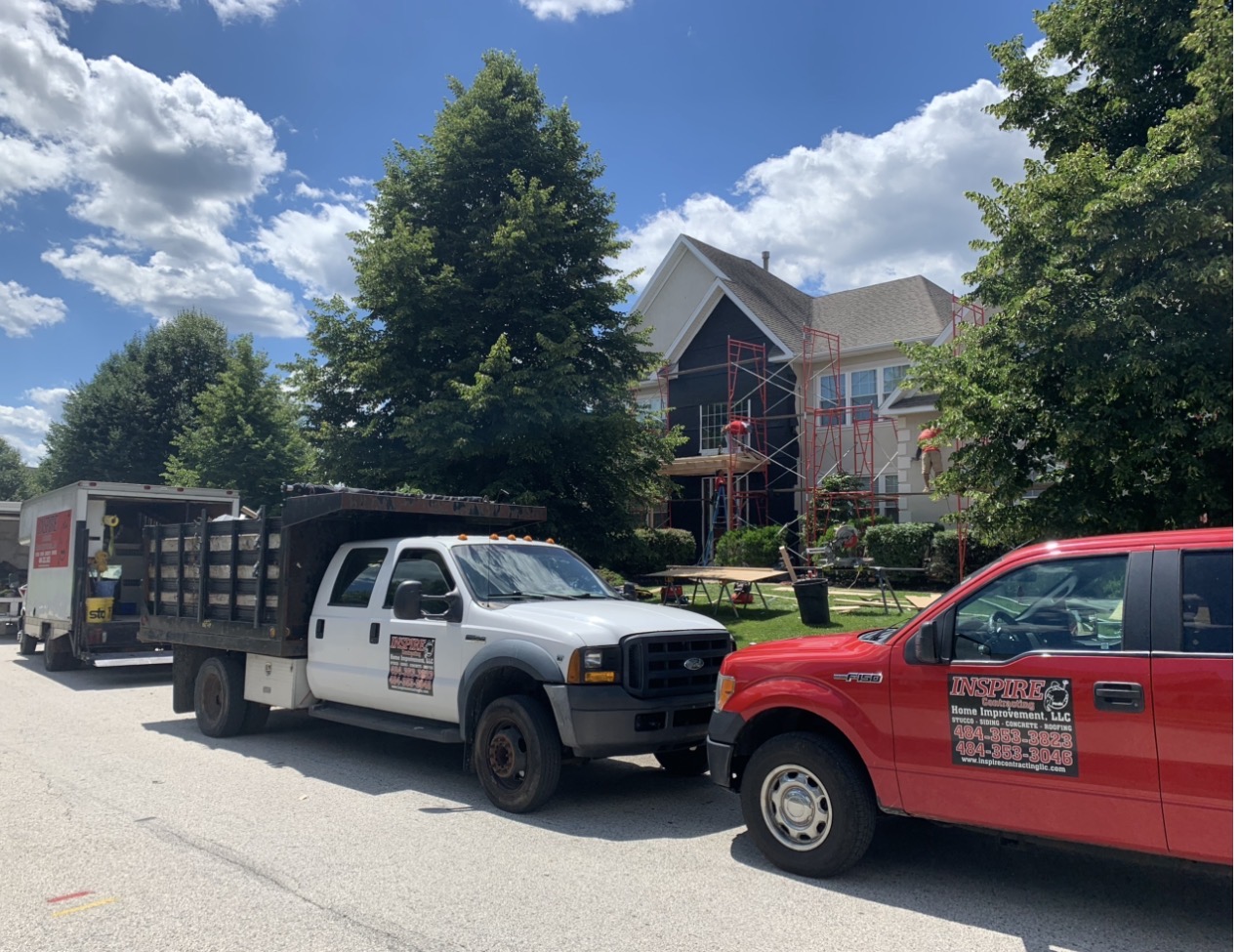
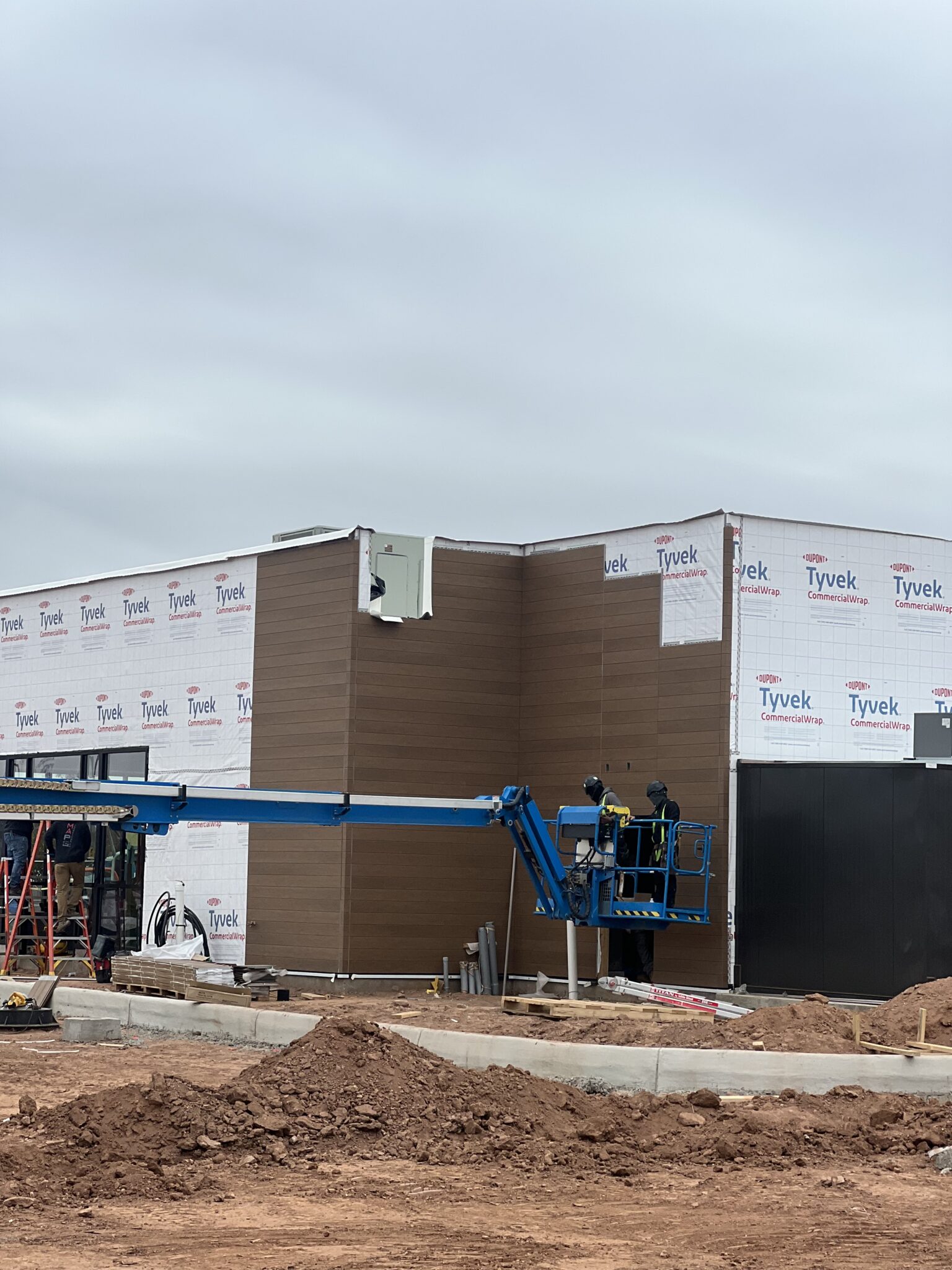
A lot of Lionville's development-era housing was built during the same window when synthetic stucco (EIFS) was standard on production homes across the region, roughly the mid-1990s through the mid-2000s. Some of it was installed correctly with a proper drainage plane behind the foam. A meaningful amount was not, particularly around window and door penetrations, chimney chases, deck ledgers and roof-to-wall transitions, which is where we find the majority of the moisture problems on these homes today.
The mistake we try to steer clients away from is patching a crack or a soft spot without first finding out why it happened. A hairline crack in the finish coat can be cosmetic. The same crack over a window head flashing that was never properly integrated is often a symptom of water that has been getting behind the wall for years, and a cosmetic patch just seals the evidence without solving the problem. We probe suspect areas, check moisture content in the sheathing where we can access it, and tell you honestly whether you are looking at a surface repair or a section that needs to be opened, dried out and rebuilt.
When a section does need to come off, you generally have two directions: reinstall a proper drainable EIFS system with the water management layer the original installation may have lacked, or move to a different cladding entirely, most often James Hardie fiber cement or a quality vinyl siding product, on the affected elevation. Neither choice is automatically right. It depends on how much of the wall is affected, your budget, and how long you plan to stay in the house. We lay out both paths with real numbers rather than steering you toward whichever is easier for us to schedule.
Farmhouse stucco is a separate conversation. Traditional three-coat stucco over masonry or wood lath behaves differently than EIFS, and a repair that works on one will not necessarily work on the other. We match repair technique to the actual wall assembly rather than applying a single approach across every job in town.
Matching Materials to a Farmhouse Without Flattening Its Character
The older stone and fieldstone homes scattered through Uwchlan Township carry real architectural character, and it is easy to erase that character with the wrong siding or trim decision. Many of these houses have additions from different eras, sometimes stucco over fieldstone, sometimes clapboard siding added later, sometimes a mix on the same elevation. The goal on these homes is rarely to make everything uniform. It is to repair each material appropriately and keep proportions, trim profiles and reveal widths consistent with what is already there.
For additions or full re-sides on these older homes, we typically recommend James Hardie fiber cement in a lap profile sized to match the original clapboard exposure, with Azek or comparable composite trim milled to the existing casing and corner board dimensions rather than the thinnest stock available. It costs more than a generic vinyl job, and on a house like this the difference shows.
Development-era homes are the opposite kind of decision: less about historical character, more about durability and how the exterior will look and perform over the years you plan to own it. Quality insulated vinyl remains a sound, cost-effective choice for a lot of these houses. Fiber cement costs more up front but resists impact and holds paint or factory finish for decades, which often makes it the better value across a longer hold. We will lay out both with real numbers rather than assuming which one fits your situation.
A Contractor Lionville Homeowners and HOA Boards Can Rely On
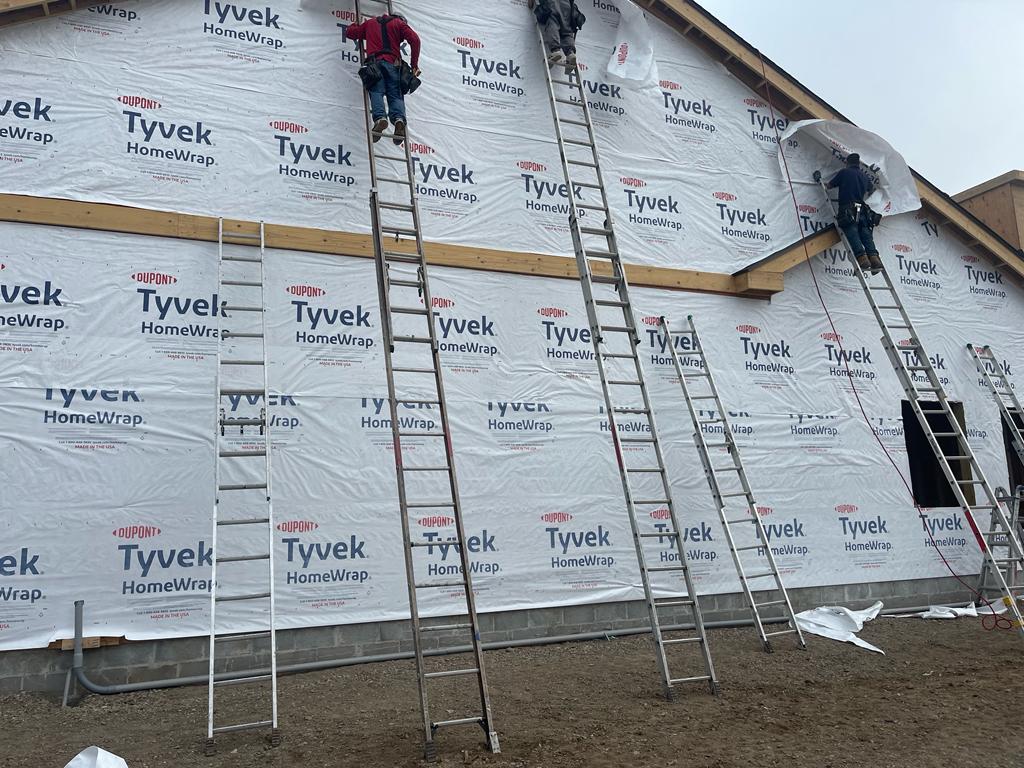
Whether your project needs board approval or none at all, the standard we hold ourselves to does not change. We show up when we say we will, we put the scope and pricing in writing before work starts, and if we find something worse than expected once a wall is opened, you hear about it immediately with photos, not after the invoice arrives.
Our credentials are verifiable rather than decorative. Confirm our standing with GAF as a Master Select contractor and with CertainTeed as a Master Craftsman company. We are BBB accredited, OSHA certified, licensed and insured, with more than twenty years working across southeastern Pennsylvania and 50-year warranties available on select systems.
Read about our team, browse our project gallery and customer reviews, or contact the office to get a Lionville project started.
FAQs – Stucco and Siding in Lionville, PA
Common questions from Lionville homeowners, including several in HOA-governed communities.
Our HOA requires architectural review approval before exterior work. Can you help with that?
Yes, tell us at the start and we build the timeline around it. We provide manufacturer spec sheets, color and material samples matched to your existing palette or an approved alternate, and a written scope description you can attach to the association's application.
How long does HOA approval usually add to the schedule?
It depends on your association's meeting cadence, which is often monthly. Missing a submission deadline by even a day can cost several weeks, so we recommend getting the application in as soon as you decide to move forward rather than waiting for a final quote.
My house has synthetic stucco (EIFS) from the late 1990s or early 2000s. Is that automatically a problem?
Not automatically, but it is worth checking. We probe for a proper drainage plane and test moisture at windows, penetrations and roof-to-wall transitions, since that is where most problems in this cohort start. Some homes are fine; others need a section rebuilt with proper drainage or replaced with a different cladding.
Can you repair stucco on an older stone farmhouse without making it look mismatched?
Yes. Traditional stucco over masonry behaves differently than synthetic EIFS, and we match repair technique to the actual wall assembly. For siding and trim on these homes we typically use fiber cement sized to the original clapboard exposure with trim milled to match existing casings rather than generic thin stock.
Which siding makes more sense for a development-era home, vinyl or fiber cement?
It depends on how long you plan to own the home and your budget. Quality insulated vinyl is cost-effective and performs well. Fiber cement costs more up front but resists impact and holds finish for decades, often making it the better value over a longer hold. We give you real numbers for both.
Do you handle the whole process if my HOA comes back with revisions?
Yes. If a committee asks for a different color, a modified material, or additional documentation, we adjust the submission and resupply what is needed rather than leaving that step to you.
How do I get a Lionville project started?
Send the address, a description of what you are seeing, and photos of the affected walls, plus whether your community requires architectural review. We will schedule a site visit and follow up with written scope and itemized pricing. Call 484-353-3046 or contact us online.
Talk to a Lionville Stucco and Siding Contractor
Whether you need HOA-ready documentation for a development home or a repair matched to a century-old farmhouse, tell us the address and what you are seeing. We will tell you what is achievable and what it costs. Serving Lionville, Eagleview and the rest of Uwchlan Township.
Schedule Your Assessment Call 484-353-3046